SOCIAL ANXIETY THERAPY IN CALGARY
Connect more freely.
Social anxiety can make everyday interactions feel overwhelming. You may worry about being judged, saying the wrong thing, embarrassing yourself, or drawing attention to yourself. Over time, social situations can become exhausting or something you avoid altogether. Therapy can help you understand social anxiety, build confidence in yourself, and feel more comfortable connecting with others and participating in the life you want to live.
A Psychologist’s Definition
Social Anxiety, Defined
Social Anxiety Disorder is a mental health condition characterized by an intense fear of being judged, criticized, embarrassed, or negatively evaluated by others. While many people feel nervous in certain social situations, social anxiety goes beyond occasional shyness and can significantly affect relationships, work, school, and everyday interactions. People with social anxiety often worry about saying the wrong thing, drawing attention to themselves, making mistakes, or being perceived negatively. As a result, they may avoid social situations altogether or endure them with significant distress. Social anxiety is not a personality flaw or a lack of confidence. It is a treatable condition, and with the right support, people can build confidence, feel more comfortable in social situations, and develop greater trust in themselves.

Social Anxiety Therapy Often Connects With
How Social Anxiety Therapy Helps
At NU Psychology, social anxiety therapy is designed to help you feel more comfortable, confident, and connected in social situations. Our Calgary psychologists work collaboratively with teens and adults to understand the patterns driving social anxiety, reduce fear of judgment, and build greater confidence in relationships, work, school, and everyday interactions.
Understand the patterns that maintain social anxiety
Reduce fear of judgment, embarrassment, and rejection
Build confidence in conversations and social situations
Challenge overthinking and self-critical thoughts
Develop stronger communication and coping skills
Create more space for connection, confidence, and growth
Therapists Who Understand Social Anxiety
Our team brings specialized training in social anxiety, anxiety, OCD, depression, ADHD, emotional regulation, relationships, teen challenges, confidence, and therapy for teens and adults.
VIEW ALL PSYCHOLOGISTS
Leighton Dahl
Registered Provisional Psychologist
Social Anxiety • Relationships • Teen Challenges
VIEW PROFILE →
Whitney Lodge
Registered Psychologist
Anxiety • Emotion Regulation • Depression
VIEW PROFILE →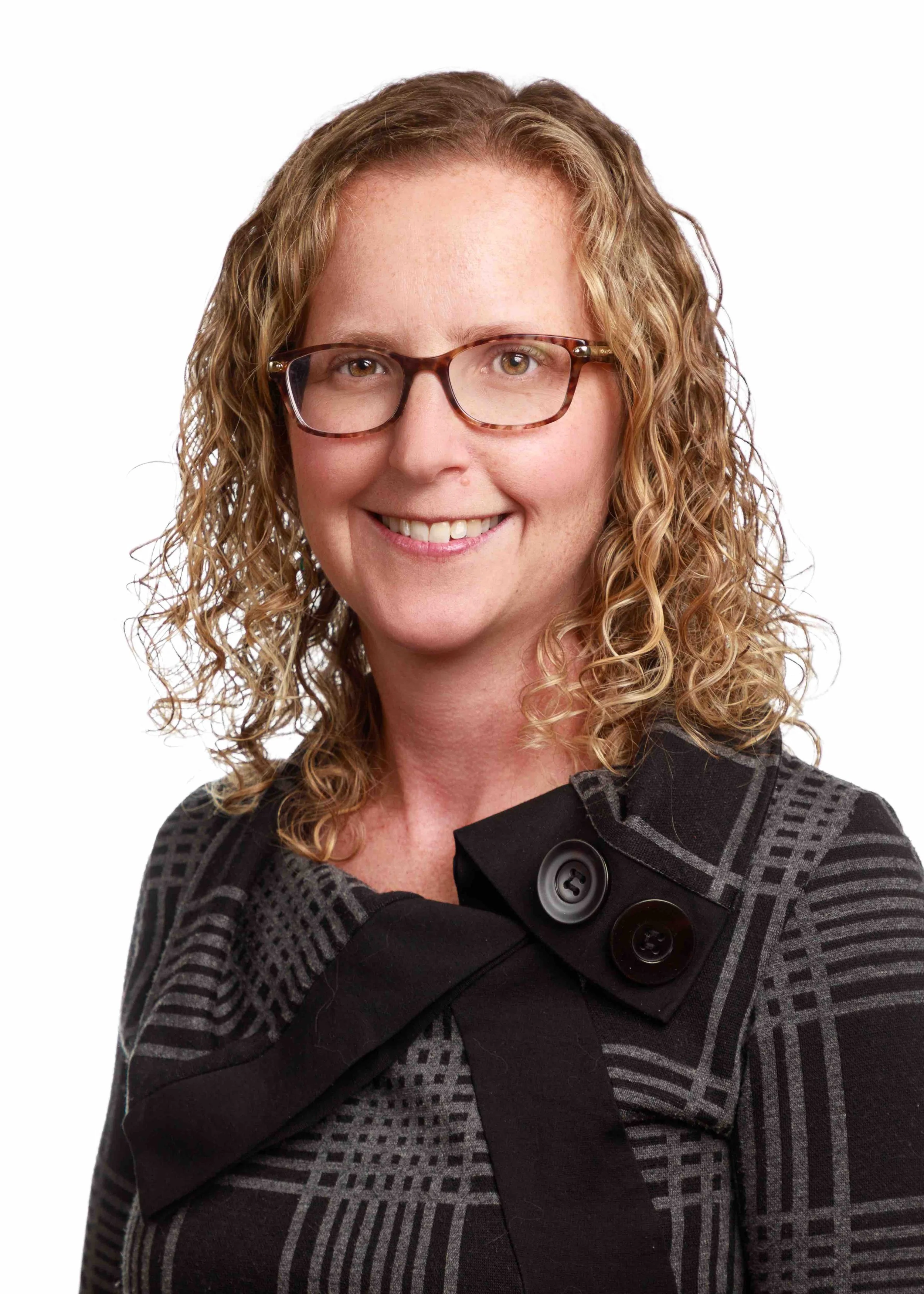
Heather Makowecki
Registered Provisional Psychologist
Anxiety • OCD • Depression
VIEW PROFILE →
Jessica Dawson
Registered Psychologist
Anxiety • OCD • Emotional Regulation
VIEW PROFILE →Recommended Reads
Insights, tools, and stories to support confidence, relationships, boundaries, social connection, and emotional wellbeing. Explore articles on social anxiety, people pleasing, burnout, self-worth, and building healthier relationships with yourself and others.
VIEW OUR BLOG



Our Locations
NU Psychology offers in-person therapy across two Calgary locations — Bridgeland and Killarney. Whether you are in the inner east or the inner southwest, our psychologists provide warm, evidence-based care tailored to teens, adults, couples, and families.
Inner East Calgary
Bridgeland
Conveniently located in the heart of Bridgeland, our east-side clinic is easily accessible from downtown Calgary, Renfrew, Riverside, and surrounding neighbourhoods — with nearby LRT access and street parking.
Inner Southwest Calgary
Killarney
Our Killarney location serves families and individuals across the inner southwest, including Marda Loop, Rutland Park, Glenbrook, and Shaganappi — offering a calm, welcoming space close to where you live.
-
Social anxiety is more than feeling shy or nervous. It involves a persistent fear of being judged, embarrassed, criticized, or negatively evaluated by others. Social anxiety can affect conversations, presentations, work meetings, dating, school, social events, and everyday interactions. Therapy can help you understand the patterns maintaining social anxiety and build confidence in situations that currently feel overwhelming.
-
Shyness is a personality trait, while social anxiety causes significant distress and often leads to avoidance. If fear of judgment regularly impacts your relationships, career, education, confidence, or daily life, social anxiety may be playing a role. Many people with social anxiety want connection but feel held back by fear, overthinking, and self-consciousness.
-
Yes. Social anxiety therapy focuses on helping you reduce fear, challenge unhelpful thinking patterns, build self-confidence, and develop practical skills for navigating social situations. Many people find they become more comfortable speaking up, meeting new people, expressing themselves, and participating in situations they previously avoided.
-
Post-event rumination is one of the most common features of social anxiety. Your mind may repeatedly analyze what you said, worry about how others perceived you, or focus on perceived mistakes. Therapy can help you break this cycle of overthinking and develop a more balanced and compassionate view of social interactions.
-
Absolutely. Social anxiety can make it difficult to speak in meetings, ask questions, attend social events, participate in class, network professionally, date, or form deeper relationships. Over time, avoidance can cause people to miss opportunities that matter to them. Therapy helps you build confidence so anxiety no longer makes important decisions for you.
-
Several evidence-based approaches can be helpful, including Cognitive Behavioural Therapy (CBT), Acceptance and Commitment Therapy (ACT), exposure-based strategies, self-compassion work, and emotional regulation skills. At NU Psychology, therapy is tailored to your unique experiences, goals, and strengths so you can feel more comfortable being yourself around others.
Social Anxiety Therapy FAQs