OCD THERAPY IN CALGARY
Learn to trust yourself.
OCD can feel exhausting, confusing, and isolating. Intrusive thoughts, uncertainty, and compulsions can begin to take up more space than the life you want to live. Our Calgary psychologists use Exposure and Response Prevention (ERP), the leading evidence-based treatment for OCD, to help teens and adults break the cycle of fear and doubt and move toward what matters most.

A Psychologist’s Definition
OCD, Defined
Obsessive-Compulsive Disorder (OCD) is a mental health condition characterized by intrusive, unwanted thoughts, images, urges, or doubts that create significant distress. In response, people may engage in compulsions—behaviours, rituals, avoidance, reassurance-seeking, or mental checking—to reduce anxiety or gain certainty. While these strategies may provide temporary relief, they often strengthen the cycle over time. OCD is not a personality trait or a preference for order. It is a treatable condition, and with the right support, people can learn to respond differently to OCD and reclaim more space for the life they want to live.
Understanding OCD
OCD can make your mind feel like it is constantly searching for certainty. Intrusive thoughts, images, urges, or doubts can feel alarming, even when part of you knows they do not reflect who you are or what you want.
OCD is not simply about being neat, careful, or organized. It is a cycle of distress and relief-seeking that can become exhausting over time. With the right therapy, you can learn to relate differently to intrusive thoughts, reduce compulsions, and rebuild trust in yourself.
Not a personality trait — OCD is a treatable mental health condition.
Can involve intrusive thoughts, mental checking, reassurance-seeking, or rituals.
Often creates cycles of anxiety, doubt, avoidance, and temporary relief.
Therapy can help you respond to fear without letting it lead your life.
Can affect teens, adults, relationships, school, work, and daily routines.
Support can help you build confidence, flexibility, and self-trust again.
OCD TREATMENT IN CALGARY
What OCD Therapy Looks Like
OCD can show up in many different ways, and it often targets what matters most to you. Whatever form it takes, the cycle is the same: an intrusive thought creates distress, a compulsion brings brief relief, and the doubt returns stronger. ERP helps you step out of that cycle, one manageable step at a time.
Harm & Responsibility
Fears of accidentally causing harm, making a terrible mistake, or being responsible for something going wrong.
Contamination & Health
Worries about germs, illness, or symptoms, often linked with health anxiety.
Relationship OCD
Constant doubt about whether you love your partner enough, or whether your relationship is “right.”
“Pure O” & Mental Rituals
Compulsions that happen in your head, like reviewing, analyzing, praying, or mentally checking.
Moral & Religious Fears
Distressing doubts about being a bad person, having sinned, or not doing the “right” thing.
Just-Right & Perfectionism
Needing things to feel exactly right, often overlapping with perfectionism.
Your First Sessions
Early sessions focus on understanding your OCD: the thoughts, the compulsions, and what they cost you. Together you build a plan, starting with steps that feel challenging but manageable. You always have a say in what happens next. Learn more about intrusive thoughts and how ERP helps.
OCD therapy at NU Psychology is offered by Jessica Dawson, Heather Makowecki, and Whitney Lodge, in person at our Killarney and Bridgeland locations or through online therapy across Alberta.
Evidence-Based Treatment
How ERP Treats OCD
Exposure and Response Prevention (ERP) is the leading evidence-based psychotherapy for OCD and is recommended as a first-line treatment in clinical practice guidelines. Rather than arguing with intrusive thoughts, searching for certainty, or trying to make the doubt disappear, ERP works on the cycle that keeps OCD going: the urge to neutralize discomfort through checking, reassurance, avoidance, or mental rituals.
Together with your psychologist, you build a gradual plan of thoughts, situations, or triggers to approach, starting with those that feel manageable. The exposure is coming into contact with what OCD fears. The response prevention is practising not doing the compulsion that usually follows. Over time, your brain learns that the anxiety can be tolerated, that it often eases on its own, and that the feared outcome does not happen. The thoughts may still show up, but they lose their urgency and their hold on your day.
At NU Psychology, our Calgary psychologists who specialize in OCD offer ERP for teens and adults, in person at our Killarney and Bridgeland locations or online anywhere in Alberta. ERP is collaborative and never forced. You help decide each step and the pace, and treatment can include acceptance-based strategies from ACT to help you keep moving toward what matters, even when doubt shows up.

What OCD Can Feel Like
Constant
Doubt
Questioning your thoughts, memories, decisions, or intentions—even when you have already checked, verified, or reassured yourself.
Intrusive
Thoughts
Unwanted thoughts, images, or urges that feel distressing, confusing, or completely out of line with who you are.
Temporary
Relief
Reassurance, checking, rituals, or avoidance may reduce anxiety for a moment, but the fear often returns and demands more.
Mental
Exhaustion
Spending hours analyzing, reviewing, questioning, or trying to gain certainty can leave you feeling drained and overwhelmed.
Feeling
Trapped
OCD can begin to shape daily routines, relationships, decisions, and activities, making life feel smaller than you want it to be.
You are not your thoughts. You are bigger than OCD.
OCD Therapy Often Connects With
How OCD Therapy Helps
At NU Psychology, OCD therapy is designed to help you step out of cycles of fear, doubt, and compulsions so you can reconnect with what matters most. Our Calgary psychologists work collaboratively with teens and adults to build understanding, reduce distress, and develop new ways of responding to intrusive thoughts and uncertainty.
Understand how OCD shows up in your life
Learn to respond differently to intrusive thoughts
Reduce compulsions, checking, and reassurance-seeking
Build tolerance for uncertainty and discomfort
Strengthen confidence and trust in yourself
Create more space for the life you want to live
Therapists Who Understand OCD
Our team brings specialized training in OCD, anxiety, intrusive thoughts, compulsions, emotional regulation, trauma, and evidence-based therapy for teens and adults.
VIEW ALL PSYCHOLOGISTS
Jessica Dawson
Registered Psychologist
OCD • Trauma • Anxiety
VIEW PROFILE →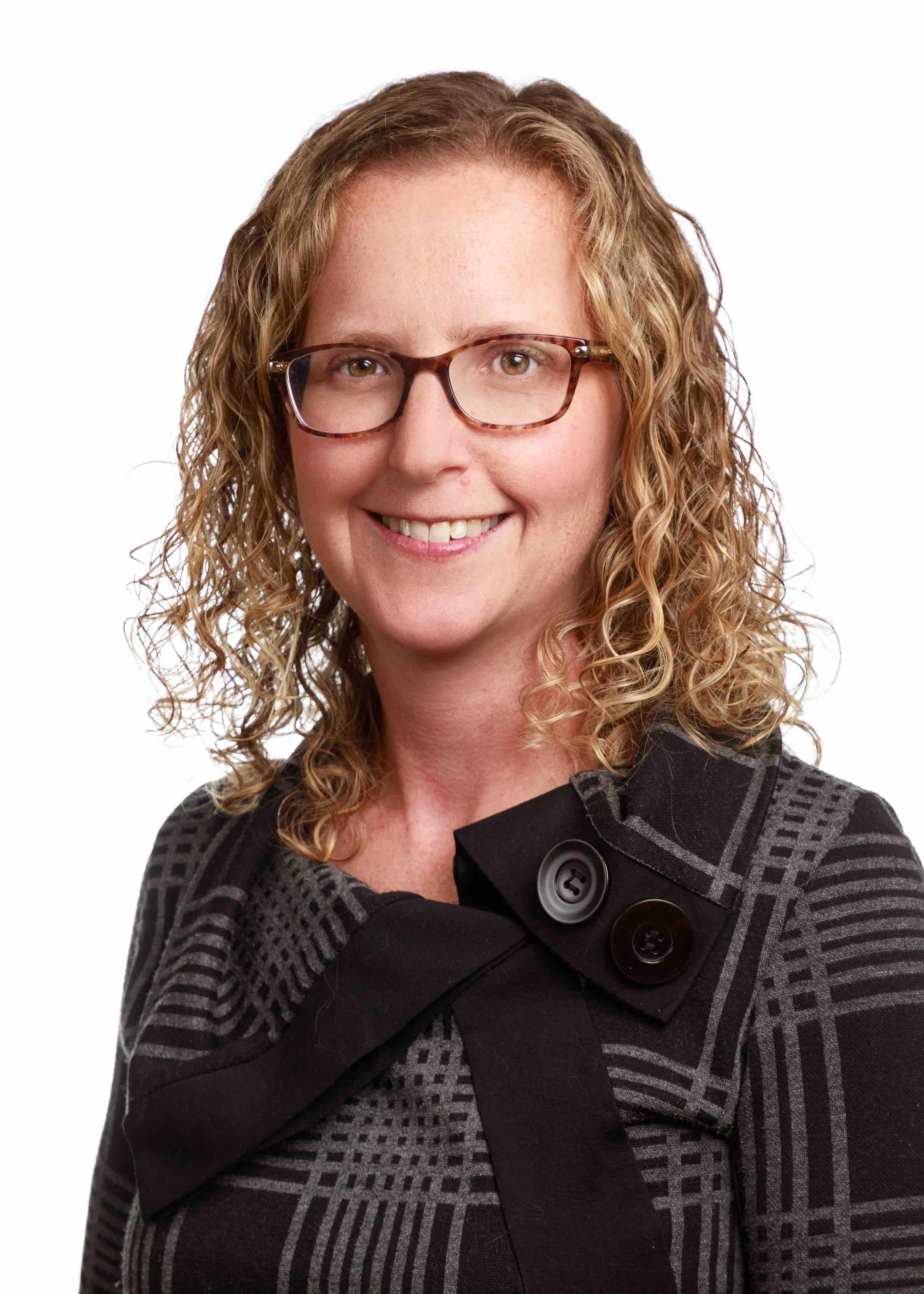
Heather Makowecki
Registered Provisional Psychologist
OCD • Anxiety • ACT Therapy
VIEW PROFILE →
Whitney Lodge
Registered Psychologist
OCD • Anxiety • Emotion Regulation
VIEW PROFILE →
Angela Ribout
Registered Psychologist
OCD • ADHD • Assessments
VIEW PROFILE →Recommended Reads
Insights, tools, and stories to support your mental health, relationships, emotional wellbeing, and personal growth. Explore articles on anxiety, ADHD, burnout, therapy, stress, self-worth, and navigating life’s challenges with more clarity and support.
VIEW OUR BLOG



Our Locations
NU Psychology offers in-person therapy across two Calgary locations — Bridgeland and Killarney. Whether you are in the inner east or the inner southwest, our psychologists provide warm, evidence-based care tailored to teens, adults, couples, and families.
Inner East Calgary
Bridgeland
Conveniently located in the heart of Bridgeland, our east-side clinic is easily accessible from downtown Calgary, Renfrew, Riverside, and surrounding neighbourhoods — with nearby LRT access and street parking.
Inner Southwest Calgary
Killarney
Our Killarney location serves families and individuals across the inner southwest, including Marda Loop, Rutland Park, Glenbrook, and Shaganappi — offering a calm, welcoming space close to where you live.
OCD Therapy FAQs
How do I know if I have OCD or if I'm just overthinking?
Everyone overthinks sometimes, but OCD involves persistent intrusive thoughts, images, urges, or doubts that create significant distress and feel difficult to let go of. Many people with OCD feel driven to check, seek reassurance, avoid situations, or perform rituals to reduce anxiety. If fear, uncertainty, or repetitive mental loops are interfering with your daily life, relationships, work, or well-being, therapy can help you better understand what is happening and what support may be helpful.
What is ERP therapy for OCD?
Exposure and Response Prevention (ERP) is the leading evidence-based treatment for OCD. With your psychologist, you gradually face the thoughts and situations that trigger anxiety while practising not responding with compulsions, checking, or reassurance. Over time, your brain learns that you can handle uncertainty, and the OCD cycle loses its grip. Read more about intrusive thoughts and ERP.
Will ERP make me face my worst fears right away?
No. ERP begins with steps that feel challenging but manageable, and you and your psychologist plan each one together before you try it. Harder steps come only as your confidence grows, and you always have a say in what happens next. Many people find the process far more workable than they expected once it is broken into small, deliberate steps.
What kinds of thoughts can OCD involve?
OCD can involve many different themes, including fears about harm, contamination, relationships, health, morality, responsibility, sexuality, religion, perfectionism, or making mistakes. The specific content of the thoughts matters less than the pattern itself. OCD often targets what is most important to a person, which is why intrusive thoughts can feel so upsetting and confusing.
Can OCD be treated without talking about every intrusive thought?
Yes. Effective OCD therapy is not about judging, analyzing, or proving whether a thought is true. Instead, therapy focuses on helping you change your relationship with intrusive thoughts and reduce the cycle of fear, checking, reassurance-seeking, and compulsions. Many clients find it relieving to learn that they do not need to solve every thought in order to move forward.
Why do reassurance and checking only help for a short time?
Reassurance, checking, researching, reviewing memories, or repeating rituals can temporarily reduce anxiety. However, OCD often interprets these actions as proof that the fear was important, causing the doubt to return again later. Over time, this can create a cycle where more reassurance is needed to achieve the same sense of relief. Therapy helps break this pattern and build confidence in your ability to tolerate uncertainty.
Can OCD affect relationships, work, or school?
Absolutely. OCD can consume significant mental energy and make it difficult to focus, make decisions, complete tasks, be present with loved ones, or trust yourself. Many people feel exhausted by the constant need to seek certainty or manage anxiety. Therapy can help reduce the impact OCD has on daily life and create more space for the things that matter most.
Do you offer OCD therapy for teens?
Yes. Our psychologists support teens with OCD using ERP adapted to their age and stage, and can help parents understand how to respond to reassurance-seeking in a supportive way. Learn more about teen therapy.
Can OCD therapy be done online?
Yes. ERP works well online, and some exposures can even be practised in the places where OCD shows up most, like your home. OCD therapy is available in person in Killarney and Bridgeland or through secure online therapy anywhere in Alberta.
What is the goal of OCD therapy?
The goal of OCD therapy is not to eliminate every intrusive thought. The goal is to help you respond differently to those thoughts so they no longer control your choices, behaviour, or quality of life. Therapy can help you build flexibility, confidence, self-trust, and the ability to move toward what matters, even when uncertainty is present.