

Family-of-Origin Wounds Therapy in Calgary | Healing the Stories You Grew Up With
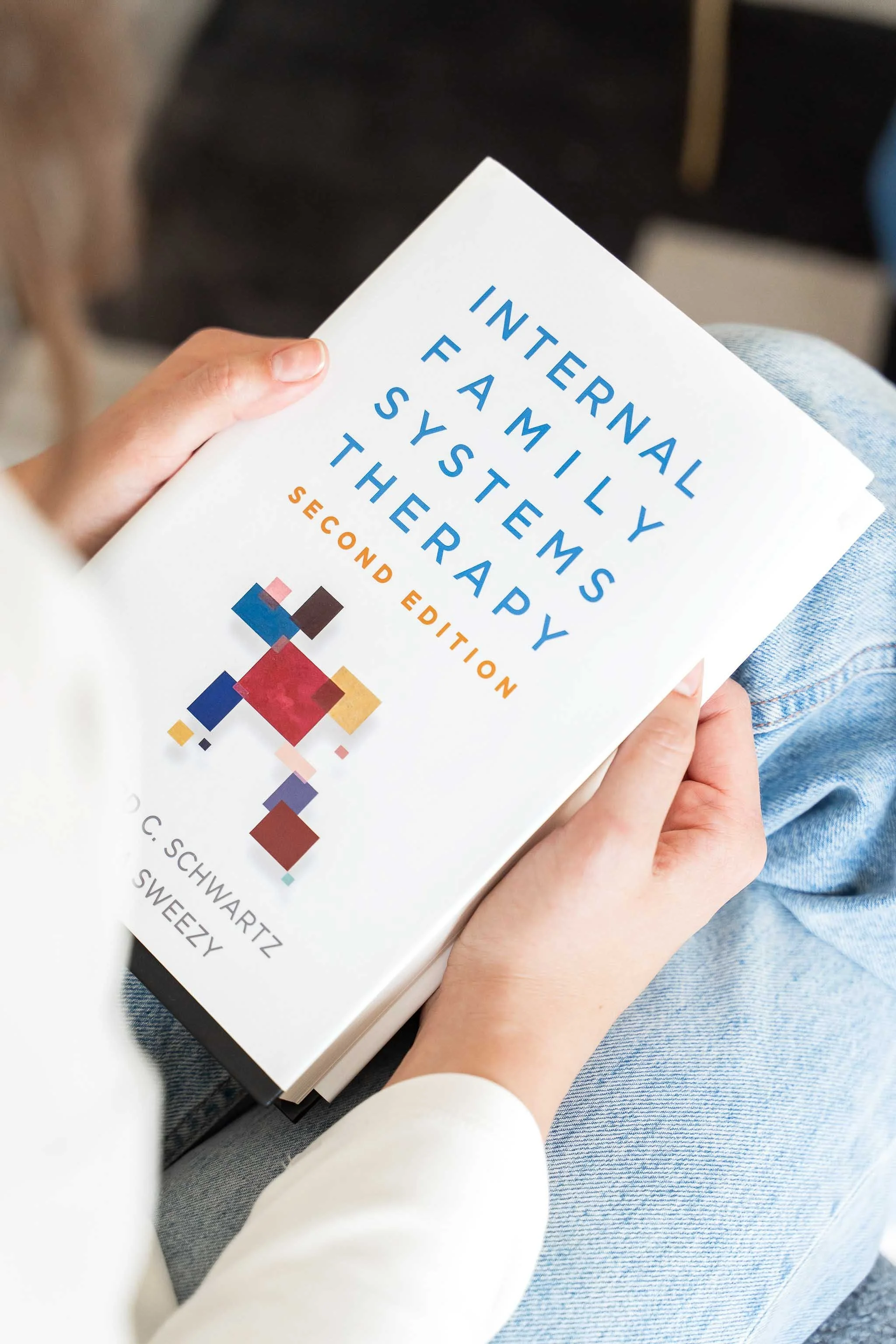
Understanding the Patterns You Inherited
Many adults reach a point where they realize they’re living with emotional patterns that didn’t start with them.
Family-of-origin wounds can show up in subtle ways — perfectionism, people-pleasing, emotional distance, anxiety in relationships, or feeling responsible for everyone else’s needs.
Family-of-origin therapy helps you understand how early experiences shaped your beliefs, behaviours, and identity — and how to gently rewrite what no longer serves you. At NU Psychology, you’ll work with a psychologist who specializes in attachment, relational trauma, and narrative therapy for adults and teens.
Healing isn’t about blaming your family — it’s about understanding your story so you can choose what comes next.
What Is Family-of-Origin Therapy?
Family-of-origin therapy focuses on:
The emotional environment you grew up in
Attachment wounds and unmet needs
Roles or expectations you were placed in
Patterns you learned to survive
Old stories that still influence your self-worth
How these experiences affect your adult relationships
Instead of staying stuck in the past, therapy helps you understand how childhood dynamics show up in the present — and how to build a healthier internal foundation.
How This Therapy Supports Teens & Adults
Family-of-origin work helps you:
Recognize patterns you’ve carried for years
Understand emotional triggers and reactions
Break cycles of people-pleasing or over-functioning
Set boundaries without guilt
Heal attachment wounds
Build a more compassionate relationship with yourself
Experience healthier friendships, partnerships, and family dynamics
Stop repeating roles that never belonged to you
It’s reflective, empowering, and deeply grounding. This therapy is helpful for:
Growing up in a home where emotions were avoided or explosive
Parentification (being the “responsible one”)
Feeling unseen, unsupported, or not enough
Criticism, comparison, or conditional approval
Enmeshment or lack of boundaries
Shame-based or high-expectation environments
Traumatic or unpredictable childhoods
Struggles with identity, worth, or belonging
Difficulty trusting, attaching, or connecting
Cycles that repeat across generations

The NU Approach to Family-of-Origin Healing
Exploring Your Early Story
“What did you learn about being loved, safe, or accepted?”Understanding Emotional Patterns
“When do you notice old childhood roles showing up in adult life?”Identifying Needs That Were Missed
“What did younger you need that wasn’t available?”Rewriting Internal Narratives
“What beliefs about yourself are ready to shift?”Building New Relational Skills
Skills for boundaries, communication, self-compassion, and emotional safety.
This work is gentle, paced, and grounded in respect for the resilience that helped you survive.
What Healing Looks Like in Daily Life
Family-of-origin therapy helps you:
Respond instead of react
Set boundaries without fear
Choose relationships that feel supportive
Soften patterns of self-criticism
Understand the origins of triggers
Feel more rooted in your identity
Create a new story based on choice, not survival
The past shaped you — but it doesn’t have to define you.
Your First NU Session
Your first session focuses on:
The patterns you want to understand
Key moments or memories that shaped your emotional world
How childhood roles influence your current relationships
What you want to feel or experience differently
Therapeutic approaches (Narrative, EMDR, IFS, CBT) that may support you
We offer in-person therapy in Calgary and online therapy across Alberta.
Is This Therapy Right for You?
It may be a strong fit if you:
Feel stuck in patterns you can’t explain
Struggle with boundaries or emotional safety
Want to understand your attachment style
Carry guilt, shame, or over-responsibility
Had a complicated or emotionally inconsistent childhood
Want healthier relationships with yourself and others
You don’t need trauma to benefit from this work — many people seek it simply to understand themselves more fully. Starting therapy now can help you:
Stop repeating old cycles
Strengthen emotional resilience
Build healthier relational patterns
Release roles you no longer want to carry
Heal wounds that quietly impact daily life
Feel more grounded, confident, and whole
You deserve a present that doesn’t feel controlled by the past.

Start Family-of-Origin Therapy in Calgary
If you’re ready to understand yourself more deeply, release old roles, and build a healthier relationship with your emotions, therapy can help you create meaningful change.
Book online, call, or email to get matched with a Calgary psychologist who specializes in family-of-origin healing.
📍 2005 – 37 St SW, Unit #4, Calgary
📞 403-217-4686
Serving Calgary’s Inner Southwest & Beyond
NU Psychology is located in Killarney, Calgary, easy to reach from:
Aspen Woods · West Springs · Cougar Ridge · Discovery Ridge · Springbank · Signal Hill · Strathcona · Mount Royal · Altadore · Bankview · Glendale · Westgate · Wildwood · Hillhurst · Sunalta · Lakeview
Frequently Asked Questions
-
No — family-of-origin work supports anyone wanting to understand their emotional patterns, even if they didn’t see their childhood as traumatic.
-
Yes. Family-of-origin patterns often shape communication, conflict, attachment, and emotional needs in adult relationships.
-
You don’t need perfect recall. Patterns often show up through feelings, reactions, or roles — not specific memories.
-
No. The goal is understanding, not blame. Therapy explores impact, not intention.
-
Absolutely — both are deeply connected to early relational environments.