EATING DISORDER THERAPY IN CALGARY
Eating disorders and body image concerns can take up more space than anyone else can see. You may feel caught in cycles of restriction, bingeing, purging, over-exercising, guilt, shame, or constant thoughts about food and your body. Therapy can help you understand what is driving these patterns, build a more compassionate relationship with yourself, and move toward recovery with support that meets you where you are.
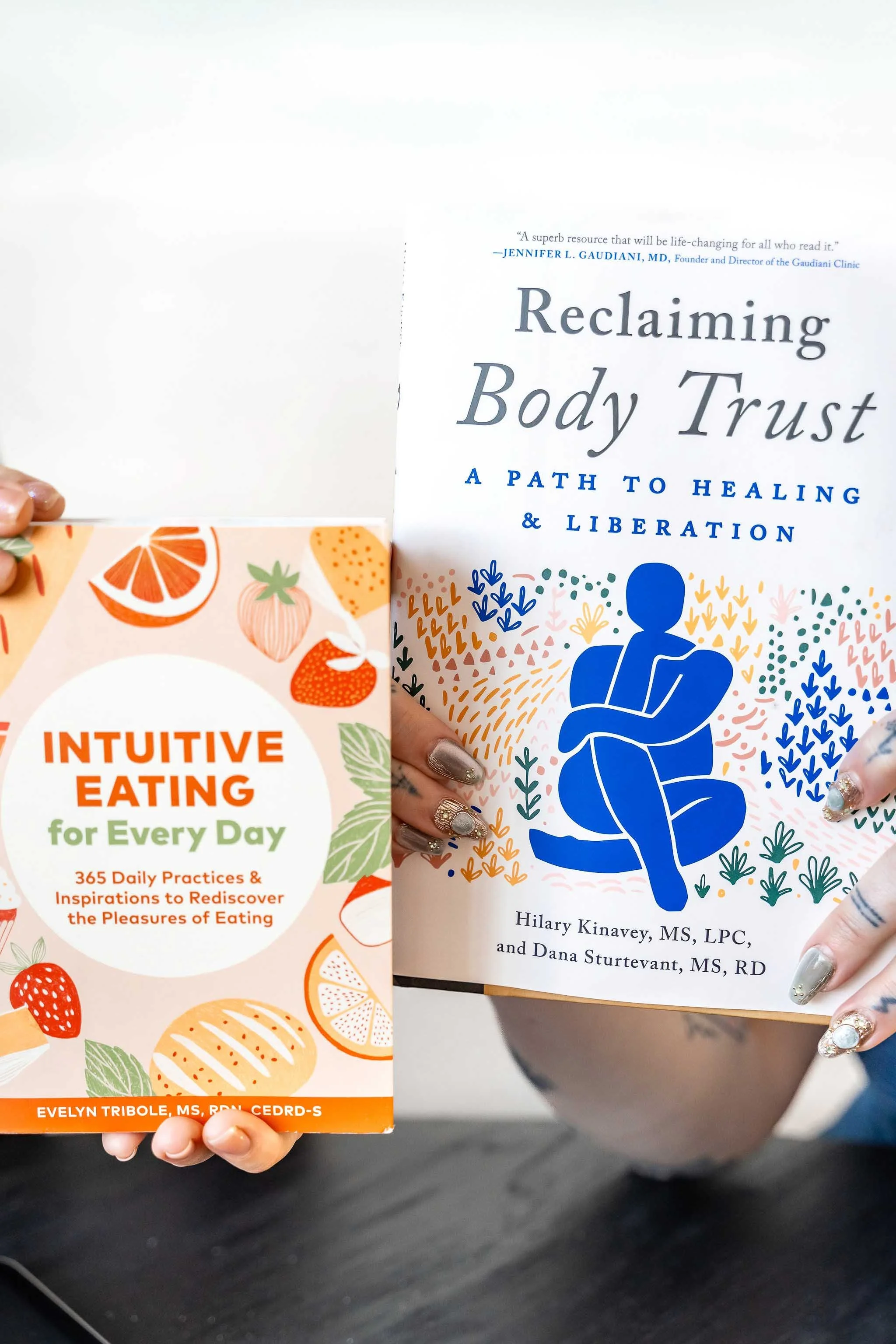
A Psychologist’s Definition
Eating Disorders, Defined
Eating disorders are complex mental health conditions that affect a person's relationship with food, eating, body image, weight, and self-worth. They can involve patterns such as restriction, binge eating, purging, compulsive exercise, or persistent preoccupation with food, weight, and appearance. Eating disorders are not a lifestyle choice, a lack of willpower, or simply a concern about food. They often develop as ways of coping with difficult emotions, stress, perfectionism, anxiety, trauma, or feelings of inadequacy. Eating disorders can affect people of all ages, genders, body sizes, and backgrounds. With the right support, recovery is possible, and therapy can help individuals develop a healthier relationship with food, their body, and themselves.
Understanding Eating Disorders
Eating disorders are about far more than food, weight, or appearance. They often involve complex emotional, psychological, and relational factors that can leave people feeling trapped in cycles of restriction, binge eating, purging, compulsive exercise, guilt, shame, or constant thoughts about food and their body.
Eating disorders are not a choice, a lack of willpower, or a phase someone can simply snap out of. With the right support, recovery is possible, and people can develop a healthier relationship with food, their body, and themselves.
More than food — eating disorders often involve emotions, self-worth, and coping strategies.
Can involve restriction, binge eating, purging, compulsive exercise, or food-related anxiety.
Often connected to perfectionism, anxiety, trauma, or difficulties with self-image.
Can affect physical health, relationships, work, school, and emotional well-being.
Can affect people of all genders, ages, backgrounds, and body sizes.
Recovery is possible with compassionate, specialized support and treatment.

What Eating Disorders Can Feel Like
Constant Food
Thoughts
Feeling preoccupied with food, calories, meals, weight, exercise, or body image throughout the day.
Guilt &
Shame
Feeling intense guilt, shame, anxiety, or self-criticism after eating or noticing changes in your body.
Feeling Out
of Control
Experiencing cycles of restriction, binge eating, purging, over-exercising, or feeling unable to trust yourself around food.
Body Image
Distress
Feeling uncomfortable in your body or believing your worth depends on your weight, shape, or appearance.
Feeling
Isolated
Avoiding meals, social events, photos, relationships, or situations where food and body image feel too overwhelming.
You are more than your body. Recovery is possible.
Eating Disorder Therapy Often Connects With
How Eating Disorder Therapy Helps
At NU Psychology, eating disorder therapy is designed to help you move beyond cycles of guilt, shame, restriction, binge eating, purging, or constant preoccupation with food and body image. Our Calgary psychologists work collaboratively with teens and adults to understand the underlying factors contributing to eating disorder symptoms, strengthen self-worth, and support a healthier relationship with food, your body, and yourself.
Understand the emotional and psychological factors driving eating disorder behaviours
Reduce shame, guilt, and self-criticism related to food and body image
Develop healthier coping strategies for difficult emotions
Strengthen emotional regulation and self-awareness
Build self-worth independent of weight, appearance, or achievement
Create more space for recovery, confidence, connection, and meaningful living
Therapists Who Understand Eating Disorders
Our team provides support for disordered eating, ARFID, body image concerns, anxiety, depression, emotional regulation challenges, and related mental health concerns affecting teens and adults.
VIEW ALL PSYCHOLOGISTS
Karli Jahn
Registered Provisional Psychologist
Disordered Eating • ARFID • Autism
VIEW PROFILE →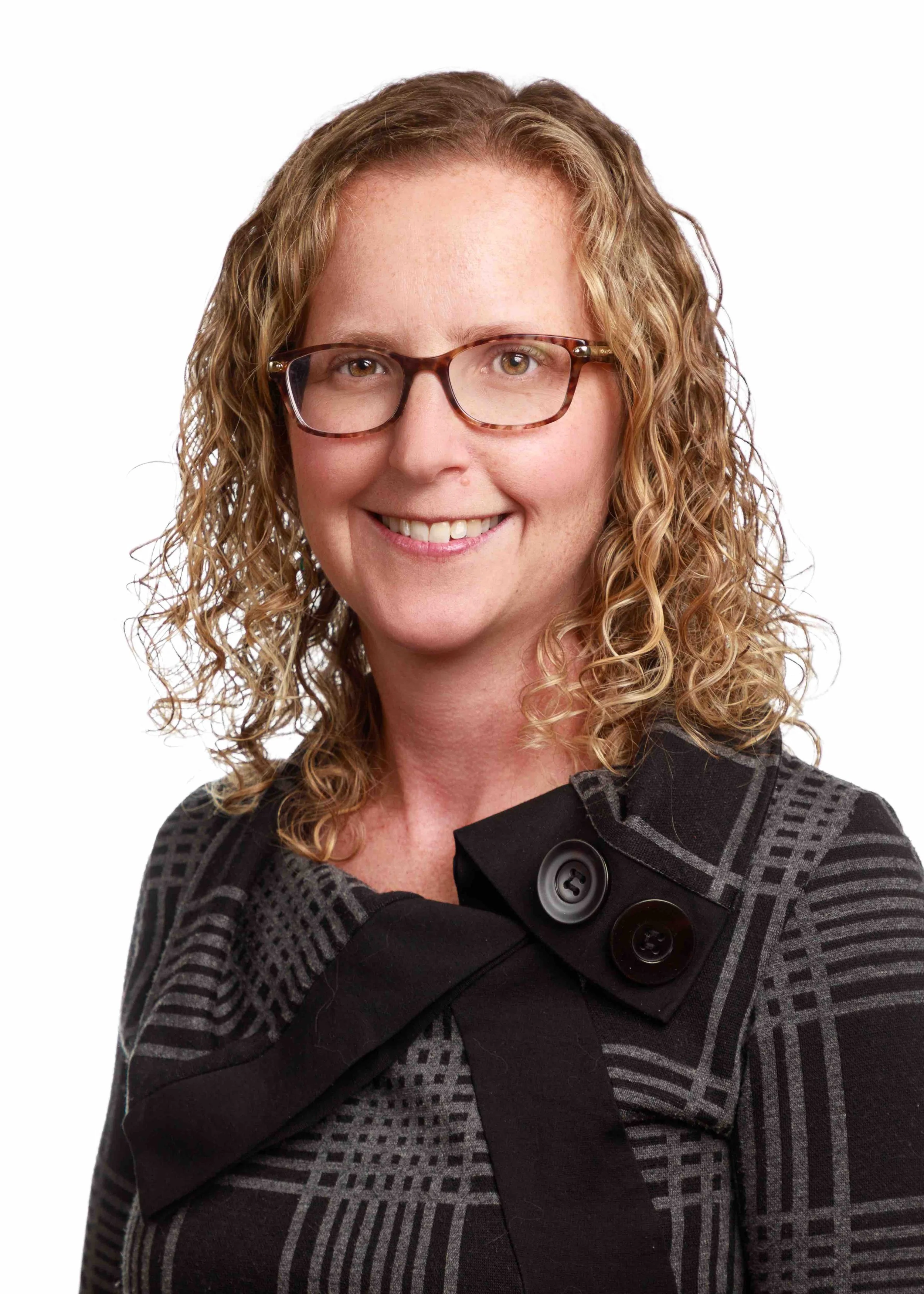
Heather Makowecki
Registered Provisional Psychologist
Anxiety • OCD • Depression
VIEW PROFILE →
Jessica Dawson
Registered Psychologist
Anxiety • Emotional Regulation • Depression
VIEW PROFILE →
Whitney Lodge
Registered Psychologist
Emotion Regulation • Anxiety • Depression
VIEW PROFILE →Recommended Reads
Insights, tools, and stories to support your mental health, relationships, emotional wellbeing, and personal growth. Explore articles on anxiety, ADHD, burnout, therapy, stress, self-worth, and navigating life’s challenges with more clarity and support.
VIEW OUR BLOG



Our Locations
NU Psychology offers in-person therapy across two Calgary locations — Bridgeland and Killarney. Whether you are in the inner east or the inner southwest, our psychologists provide warm, evidence-based care tailored to teens, adults, couples, and families.
Inner East Calgary
Bridgeland
Conveniently located in the heart of Bridgeland, our east-side clinic is easily accessible from downtown Calgary, Renfrew, Riverside, and surrounding neighbourhoods — with nearby LRT access and street parking.
Inner Southwest Calgary
Killarney
Our Killarney location serves families and individuals across the inner southwest, including Marda Loop, Rutland Park, Glenbrook, and Shaganappi — offering a calm, welcoming space close to where you live.
-
Our psychologists support individuals experiencing anorexia nervosa, bulimia nervosa, binge eating disorder, ARFID, disordered eating patterns, chronic dieting, emotional eating, body image concerns, and difficulties related to food, weight, or exercise. Therapy is tailored to each person's unique experiences and recovery goals.
-
You may benefit from therapy if thoughts about food, weight, body image, eating, or exercise are taking up significant mental space, causing distress, affecting your relationships, or interfering with daily life. You do not need to meet a specific diagnosis to seek support.
-
Yes. Many people struggle with body dissatisfaction, appearance-related anxiety, or self-worth that feels tied to weight or appearance. Therapy can help you develop a healthier, more compassionate relationship with your body and yourself.
-
Yes. Our psychologists work with both teens and adults experiencing eating disorders, disordered eating, and body image concerns. Treatment is adapted to developmental needs, life stage, and individual goals.
-
Depending on your needs, therapy may incorporate Cognitive Behavioural Therapy (CBT), Acceptance and Commitment Therapy (ACT), Emotion Regulation strategies, Narrative Therapy, self-compassion work, trauma-informed approaches, and other evidence-based interventions that support recovery.
-
Yes. Eating disorders often overlap with anxiety, perfectionism, low self-worth, emotional regulation difficulties, and trauma. Therapy helps explore these underlying factors while supporting healthier coping strategies and long-term recovery.
Eating Disorder Therapy FAQs